
Pool Fence vs Front Fence Rules in Melbourne’s East

Updated: Aug 27
If you’re planning a fencing project in Melbourne’s eastern suburbs, understanding the front fence rules Melbourne East is absolutely essential. Fences today play a critical role in enhancing privacy and improving street appeal.
However, one of the biggest challenges homeowners face is that not all fences are governed by the same rules.
Across suburbs such as Doncaster, Balwyn, Glen Waverley, Box Hill, and Mount Waverley, regulations can vary subtly. Non-compliance may result in fines, complications during property sales, or even safety hazards. This guide is designed to give you a clear, practical understanding of how both fence types differ. Let’s check it out!
Understanding the Key Difference: Pool Fence vs Front Fence
The distinction between pool fencing and front fencing is where many homeowners get caught out when planning upgrades or building a new home.
A pool fence is specifically designed as a protective safety barrier around swimming pools and spas. Its primary purpose is to restrict access by children. Because of the serious safety risks associated with pools, these fences are governed by strict, state-wide legislation. Every aspect of a pool fence, from its height to the way the gate closes, is carefully regulated to minimise risk. There is very little room for interpretation or variation.
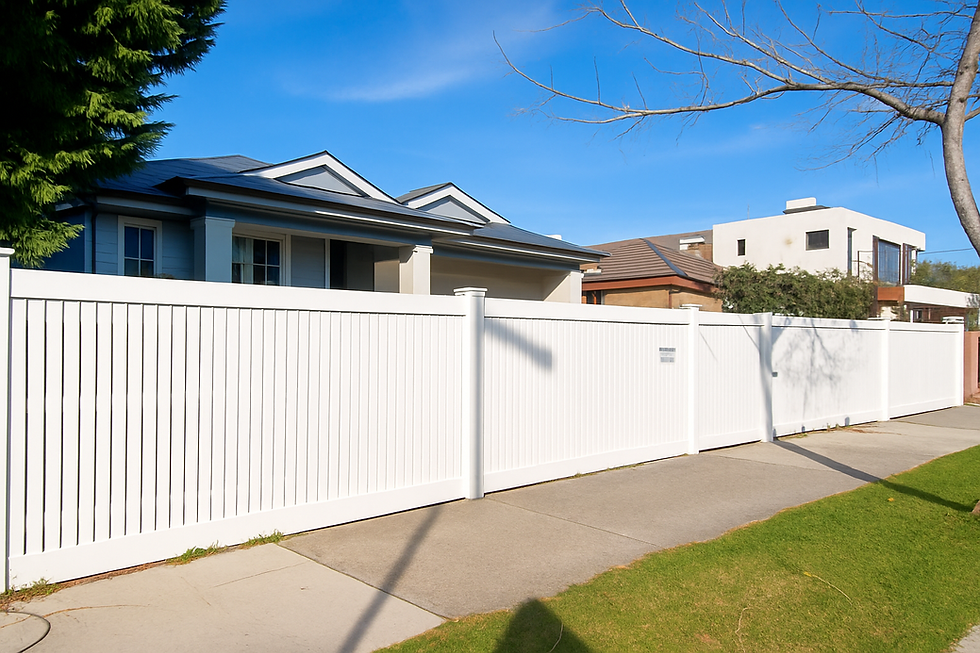
In contrast, a front fence serves as a boundary between your property and the street. Its main functions are to provide privacy, define property lines, and enhance your home's visual appeal. Because of this, front fences are regulated by local councils rather than state law. Each council considers factors such as neighbourhood character, traffic visibility, and urban design.
The key difference lies in purpose. Pool fencing is about preventing accidents and saving lives, which is why it is strictly enforced. Front fencing, on the other hand, is about balancing individual property preferences with the broader streetscape.
This distinction influences everything from design choices to approval processes and long-term compliance.
Pool Fence Rules in Melbourne’s Eastern Suburbs
Pool fencing regulations in Victoria are among the strictest in the country. They apply consistently across Melbourne’s eastern suburbs.
Minimum height requirements
Pool fences must generally be at least 1.2 metres high. However, the exact requirement can depend on when the pool was constructed - older installations may fall under earlier standards.
Non-climbable zones (NCZ)
One of the most critical requirements is the non-climbable zone. This is a clear space around the fence, typically 900mm. This is where no objects can assist a child in climbing over. This includes outdoor furniture, pot plants, trees, retaining walls, and even decorative elements.
Gate requirements
Pool gates are often the weakest point in a barrier, which is why they are heavily regulated. Gates must:
Automatically close from any open position
Self-latch without manual assistance
Open outward, away from the pool area
Have latches positioned at a compliant height or shielded to prevent access by children
Spacing and gaps
The spacing between vertical bars must be narrow enough to prevent a child from passing through. Horizontal elements must not create footholds that could be used for climbing.
Boundary fences as pool barriers
In some cases, a property’s boundary fence can form part of the pool enclosure. However, these fences must meet additional safety requirements rather than standard boundary fencing rules. This is particularly relevant for older homes.
Mandatory inspections and certification
In Victoria, pool owners are required to have their barriers inspected and certified every four years. This ensures ongoing compliance, as fences can deteriorate or become non-compliant over time.
Suburb-specific enforcement trends
While the laws are state-wide, enforcement can vary slightly in practice. In Glen Waverley and Mount Waverley, local authorities are known for strict enforcement. In Doncaster and Balwyn, compliance is often scrutinised during property transactions.

Front Fence Rules Melbourne East Local Councils
When it comes to front fencing, the front fence rules Melbourne East councils apply are far more varied than pool fencing laws. Each local council has its own planning scheme, which reflects the character, density, and development patterns of the area.
In most eastern suburbs, front fences within the front setback are typically limited to a height of around 1.2 metres. This helps maintain clear sightlines for pedestrians and drivers. However, this is not a universal rule - some councils may allow variations depending on the property’s zoning or design context.
Visibility is one of the most important considerations. Councils generally discourage solid, high fences that block the view of the property from the street. This is particularly important on corner blocks, near driveways, or in high-traffic areas. As a result, open-style fencing, such as picket, slatted, or spaced designs, is often preferred.
Material selection can also influence compliance. Timber, aluminum, and steel are commonly accepted. But some councils impose restrictions on solid materials, such as Colorbond, for front-yard applications. This is especially true in heritage areas with a traditional streetscape.
Planning permits may be required in several situations, including:
When the fence exceeds standard height limits
When the property is located within a heritage overlay
When the design significantly alters the appearance of the streetscape
Local council approaches vary across Melbourne’s east:
Boroondara (Balwyn): Strong emphasis on preserving heritage character, often favouring traditional fencing styles and materials.
Whitehorse (Box Hill): More flexible approach, particularly in newer developments where contemporary designs are common.
Monash (Mount Waverley, Glen Waverley): Generally consistent application of height limits, with clear expectations around design and visibility.
Manningham (Doncaster): Sloping blocks introduce complexity, as fence height is measured from different ground levels.
Because of these variations, it’s essential to check the specific requirements for your suburb before starting any front fencing project.

Key Compliance Differences Homeowners Must Understand
Understanding the differences between pool fencing and front fencing is essential for navigating the front fence rules Melbourne East homeowners must follow.
Purpose
Pool fencing is designed purely for safety. Its role is to prevent unsupervised access to a pool, particularly by children. This is why every aspect of its design is strictly controlled.
Front fencing, in contrast, serves as a boundary and design feature. It enhances privacy and street appeal while complementing the architectural style.
Governing Authority
Pool fences are regulated by state legislation, meaning the rules are consistent across Victoria. This ensures a uniform approach to safety.
Front fences are governed by local councils, so regulations can vary by suburb. This localised approach allows councils to maintain neighbourhood character but can create confusion for homeowners.
Approval Process
Installing or modifying a pool fence requires compliance with building regulations and certification by a registered inspector. This includes ongoing inspections every four years.
Front fencing may not require formal approval if it meets standard guidelines. However, if you exceed height limits or fall within a special overlay, you will need to apply for a planning permit.
Flexibility
Pool fencing offers very little flexibility. The rules are strict, and even minor deviations can result in non-compliance.
Front fence rules Melbourne East councils enforce are generally more flexible. Homeowners often have some freedom to choose materials, styles, and designs.
Penalties for Non-Compliance
Non-compliant pool fencing can result in significant fines and legal liability. In some cases, homeowners may be required to carry out urgent rectification work.
Front fence non-compliance typically results in council notices requiring changes or removal. While still inconvenient and potentially costly, the consequences are usually less severe.
Inspection Requirements
Pool fences must undergo regular inspections and certification to ensure ongoing safety. Front fences are not subject to routine inspections once installed, unless a complaint is made or redevelopment occurs.

Common Mistakes in Melbourne’s East
Despite the availability of guidelines, many homeowners in Melbourne’s eastern suburbs still make common mistakes. These errors often stem from misunderstanding the differences between pool and front fencing regulations.
One of the most frequent mistakes is assuming that front fence rules apply to pool fencing. This can result in barriers that appear visually acceptable but fail to meet critical safety requirements. Similarly, homeowners sometimes rely on existing boundary fences as pool barriers without upgrading them.
In areas like Doncaster, sloping blocks can create confusion around fence height measurements. Without careful planning, fences may exceed allowable heights or fail to provide adequate coverage.
Another common issue is the installation of solid front fences that block visibility, particularly in suburbs like Balwyn and Box Hill. Skipping the planning permit process in heritage overlay zones is also a frequent oversight.
Older pool fences present another risk. Many have not been updated to meet modern standards, leaving homeowners vulnerable during inspections or property sales. These mistakes often lead to costly rectifications, delays, and unnecessary stress.
Choosing the Right Fence for Your Property
Choosing the right fence requires careful consideration of compliance, functionality, and long-term value. By aligning your choices with the front fence rules Melbourne East councils enforce, you can avoid issues and achieve a cohesive look.
For pool fencing:
Glass fencing is ideal for modern homes, offering a sleek appearance without obstructing views. It also allows for easy supervision of the pool area.
Aluminium tubular fencing is a practical and affordable option that meets compliance requirements while remaining durable and low-maintenance.
For front fencing:
Timber picket fencing is well-suited to heritage suburbs like Balwyn, where traditional character is important.
Aluminium slat fencing is a popular choice in contemporary areas such as Glen Waverley, offering a balance of privacy and modern design.
Key considerations:
Property slope, particularly in suburbs like Doncaster
Visibility requirements for safety and compliance
Local council overlays and planning restrictions
Integration with driveway gates for a seamless and functional entrance
A well-designed fencing solution should complement your home’s architecture while meeting all regulatory requirements. Taking a holistic approach ensures both your pool fence and front fence work together.
Final Thoughts,
Understanding the differences between pool fencing laws and front fence rules Melbourne East is essential for any successful fencing project. With varying council requirements and strict state regulations, it’s easy to overlook important details.
Seeking expert advice early in the process can help you navigate these complexities with confidence. Professional fencing specialists can guide you through design choices, approval requirements, and compliance checks.
Ultimately, investing in the right advice and planning not only protects you from compliance issues but also ensures your fence adds lasting value, safety, and visual appeal. Contact our team today for the best advice and quote!


Comments