
Smart Gate Systems Melbourne – Integrating Intercoms and Smart Locks

Melbourne’s residential, commercial and mixed-use developments continue to embrace technology-driven living. So, smart gate systems Melbourne are becoming a key requirement for today’s clients who want seamless access control while still ensuring stronger security. This means architects must consider integrating automated gates, intercoms, smart locks, cabling, power supply and digital connectivity in the design process.
Smart gate systems bring together multiple components to create an intuitive, secure and efficient experience for users. At LATITUDE Fencing & Gates, we design, manufacture and install complete gate automation and access-control systems across Melbourne, supporting architects through early planning, hardware specification and site integration. Let’s go with us to discover smart gate systems Melbourne!
What Defines a Modern Smart Gate System?
If you are choosing equipment or designing around specific hardware, it’s essential to understand what a modern smart gate system includes. Today’s setups go far beyond a simple motor and a push button.
A smart gate system brings together connected devices, such as automated gate motors, sensors, cameras, smart locks and cloud-linked intercoms. These systems are used to create an intelligent entry experience. They communicate with each other and integrate with home or building networks. They allow users to manage access from smartphones or integrated building platforms.
Smart gate systems Melbourne typically include:
Gate motor and controller
Safety sensors and beams
Electric or magnetic locks
Intercom and/or video entry system
Network connectivity (Wi-Fi, Ethernet or cellular)
Access credentials (keypads, fobs, apps, codes or cards)
Software for remote management and alerts
In addition, Connected IoT (Internet of Things) ecosystems allow real-time gate control from anywhere. Users can open gates for deliveries, check access logs, receive video alerts, and remotely manage visitor permissions, all through a cloud-based platform. For architects, this shift means designing automatic gates with strong, stable connectivity in mind, for power, data and weather-resistant housing.

Integrating Smart Intercoms Into Gate Designs
Smart intercoms are now an essential part of Melbourne gate designs. These devices provide secure, user-friendly access that aligns with the home or building's visual style.
Whether for high-end residential homes, boutique apartment complexes or commercial premises, integration starts with selecting the right intercom type and planning strong connectivity.
Video Intercoms and IP-Based Systems
Video intercoms offer a significant improvement over standard audio-only units. HD cameras with wide-angle lenses let homeowners or building managers see who’s at the gate in real time. Furthermore, they can do that whether they’re inside the building or answering via a mobile phone app.
Key advantages include:
Two-way audio for seamless communication
Live video streaming and image capture
App-based answering from anywhere
Integration with access logs and notifications
For properties with long driveways, multi-storey layouts or elevated homes, IP-based systems using network cabling (Ethernet or PoE) provide stable, high-quality communication without relying on Wi-Fi performance.
Connectivity and Cabling Considerations
Connectivity determines whether the system functions smoothly or struggles with lag and dropouts. Architects play a crucial role in establishing the correct infrastructure from the start.
Wi-Fi: Suitable for short distances or small residential blocks, but signal boosters may be required.
Ethernet (LAN): Ideal for stable video quality and low latency, excellent for apartment developments, large homes, or commercial properties.
PoE (Power over Ethernet): Allows data and power to run through one cable, simplifying installation and reducing the need for external power supplies.
These ensure stable, low-latency video communication and are better suited to apartment buildings, commercial sites or luxury homes with complex layouts. Considering cable routes, conduit placement and junction points early avoids disruptive retrofitting and ensures insulated, weather-protected pathways that keep the system performing for years.
Architectural Placement and Aesthetic Integration
Intercoms should complement the architectural intent, not disrupt it. Thoughtful placement ensures both usability and visual cohesion.
Common mounting options include:
Gate pillars or brick piers
Aluminium or steel slat gates
Feature walls or entry structures
Pedestrian gate posts
Ensuring adequate weather protection, shading for camera clarity, and vandal-resistant housings is vital, particularly in exposed locations or busy commercial environments.

Smart Locks for Gates – Types and Applications
Smart locks enable controlled, keyless access for pedestrians or vehicles. They improve security and convenience while reducing the risk of lost keys, unauthorised copies, and lockouts. Choosing the right lock type depends on the gate's structure, usage frequency, and security requirements.
Magnetic Locks (Maglocks)
Magnetic locks, or maglocks, are popular in commercial and high-security residential projects thanks to their high holding force and low maintenance. These locks typically remain secure even when power is continuous and release when power drops, making them fail-safe systems ideal for safety-conscious environments. They’re particularly well-suited to steel and aluminium pedestrian gates, though they require proper power routing and weatherproof housings.
Electric Strikes and Latches
Electric strikes work with mechanical latches, allowing the gate to unlock electronically while maintaining a physical latch for everyday use. They’re compatible with aluminium, steel and some timber gate designs.
Key considerations:
Ensure self-closing mechanisms align with the latch position
Allow for proper gate tolerance and alignment
Select corrosion-resistant materials for outdoor use
They’re ideal for side gates, pedestrian gates and security gates that require automated locking after every close cycle.
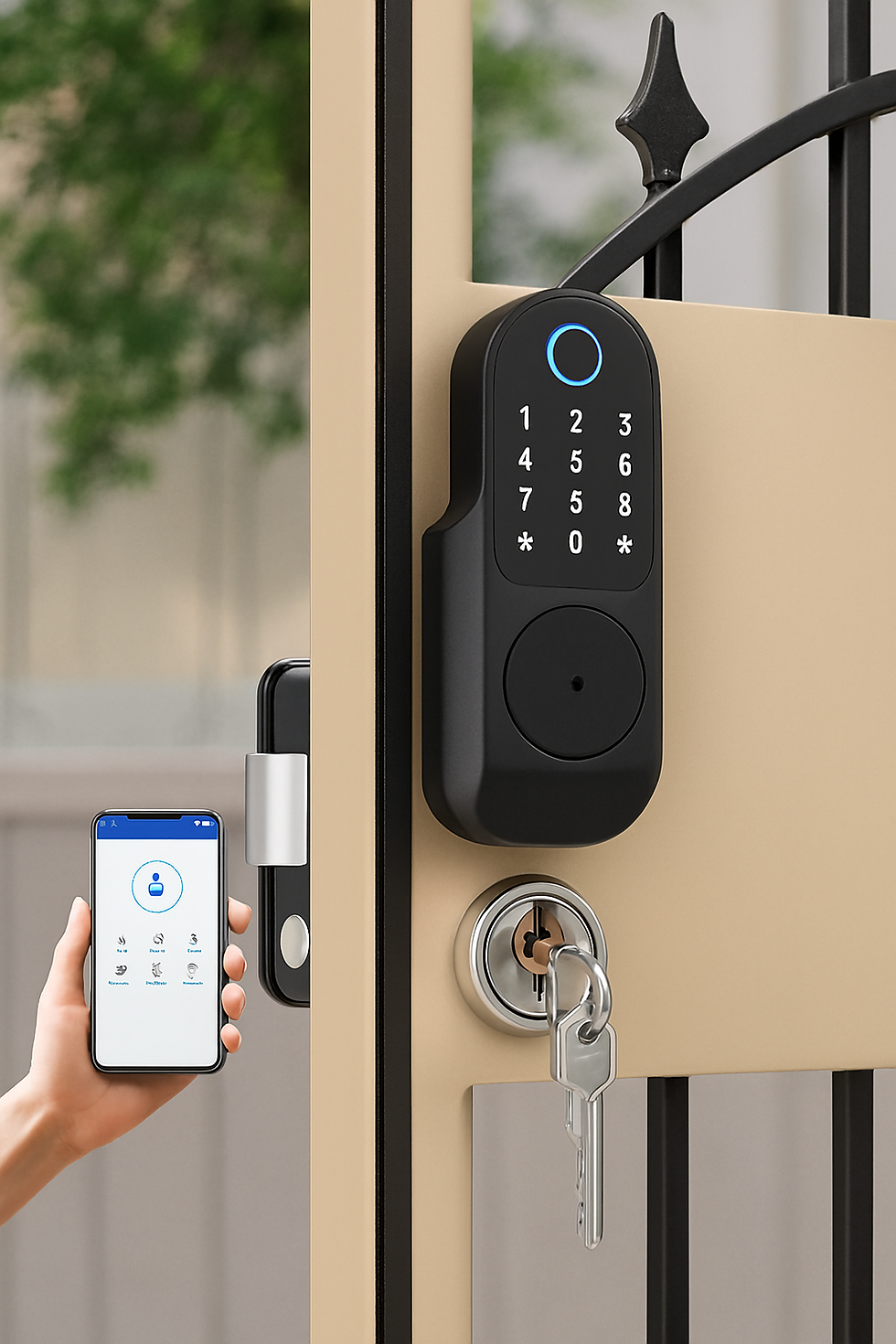
Keypads, RFID, Fobs and Mobile App Access
A truly modern access system supports multiple credential types to suit different users.
Common options include:
PIN keypads
RFID cards or fobs
Bluetooth or NFC phone access
App-based virtual keys
Temporary access codes for contractors or deliveries
Projects such as mixed-use buildings benefit from credential layering, meaning staff, residents and visitors each have their own permissions and access zones.
Designing Gate Automation With Integration in Mind
Gate automation performs best when all parts, motors, locks, sensors, cabling, and communication devices function cohesively. Integration should start during initial concept planning, ensuring structural elements can support both mechanical loads and digital systems.
Choosing the Right Gate Motor for Smart Gate Systems Melbourne
Gate motor selection affects performance, safety and longevity. Architects should specify motors based on gate type, frequency of use and environmental exposure.
Common gate types include:
Sliding gates (ideal for narrow spaces)
Swing gates (suited to traditional entryways)
Bi-fold gates (space-saving and fast opening)
Telescopic sliding gates (for restricted driveways)
Motor selection should account for gate weight, expected usage frequency, duty cycle, wind exposure and integration with locks and safety systems.
Power Supply and Backup Systems
Every automated gate requires a reliable power source. Architects should plan:
Dedicated circuits for gate motors
External GPOs for intercoms and locks
Conduit placement for low-voltage devices
Solar power can be used for low-duty rural or off-grid applications, though most urban projects rely on hardwired power for reliability. Battery backups ensure gates remain functional during blackouts, a crucial feature for commercial properties and multi-residential developments.
Sensors, Safety Beams and Smart Home Integration
Safety beams and sensors are also critical for preventing entrapment and ensuring reliable automation. Their positioning must allow clear line-of-sight detection while remaining discreet. Modern systems can integrate with Google Home, Amazon Alexa, building management systems (BMS), CCTV platforms and home automation hubs, offering convenient voice or centralised control for end users.
Cybersecurity and Data Protection Considerations
Connected gate systems rely heavily on digital security. With more devices linking to networks and cloud platforms, cybersecurity becomes an essential architectural consideration, not an afterthought.
Key security features include:
Encrypted communication between devices
Secure Wi-Fi and network isolation
Multi-factor authentication for management apps
Regular firmware updates
Controlled user permissions
Access log storage with privacy compliance
Australian homeowners and businesses increasingly expect responsible handling of access logs and personal information. Specifying secure platforms and ensuring robust networking infrastructure helps protect user privacy while maintaining system integrity.

Smart Gate System Examples for Melbourne Project Types
Smart gate requirements vary significantly depending on the project. From luxury homes to large commercial facilities, architects must tailor their approach to each environment’s operational and security needs.
High-End Residential Homes
Premium residential projects often combine aesthetics with high performance.
Common integrations include:
Motorised sliding or swing gates
Video intercoms with app-based answering
Smart locks for pedestrian and side gates
Parcel access or delivery lockers
Integrated lighting and CCTV
These projects benefit from concealed cabling, custom gate fabrication and seamless architectural blending.
Apartment and Multi-Dwelling Developments
Multi-residential buildings require smart gate systems Melbourne that support multiple users while maintaining security.
Features may include:
Multi-tenant intercom panels
App-based visitor management
Fob or card access for residents
Remote access for property managers
Integration with lifts and carpark gates
Durability and scalability are key considerations for these projects.
Commercial and Industrial Sites
These environments demand high-duty systems built for continuous operation and tight security.
Typical configurations involve:
Heavy-duty sliding or boom gates
High-load motors with rapid open times
RFID and credential-based access control
Integrated licence plate recognition (LPR)
Timed or scheduled entry for deliveries
Industrial-grade maglocks and sensors
Architects must also consider safety regulations, traffic flow, and emergency override systems.
Working With LATITUDE for Fully Integrated Smart Gate Systems Melbourne
Partnering with a specialist early in the design process ensures that every element, from structural supports to networking, aligns with the project’s access-control strategy.
LATITUDE Fencing & Gates provides:
Early-stage collaboration on cabling, power, mounting points, and automation placement
Local manufacturing of steel, aluminium, and custom security gates
Integration of intercoms, automation, smart lock,s and access systems into a unified solution
On-site installation and ongoing maintenance support
We work closely with architects to deliver solutions that meet both regulatory requirements and design intent, ensuring long-lasting performance and user-friendly operation.
In Conclusion
Smart gate systems Melbourne are now a defining feature of modern architecture. There is now a rise in connected homes, secure apartment complexes, and technology-driven commercial sites. Architects must design with integration in mind, ensuring motors, locks, intercoms, sensors, and networks work together seamlessly.
By planning early and partnering with specialists like LATITUDE, you can deliver refined, secure, and future-ready gate systems tailored to your project’s needs.
Want expert support for your next project? Contact us today to discuss integrated gate automation, intercoms, and access-control solutions.


Comments