
Safety Features Every Automatic Gate Should Have in Melbourne Homes

Updated: Aug 26
Automatic gates are becoming an increasingly popular feature in homes across Melbourne. Homeowners are investing in these systems not just for added security, but also for convenience with the ability to control access at the push of a button. However, safety should never be treated as an optional extra. A poorly designed or outdated gate system can pose serious risks. In busy suburban households where there’s constant movement, these risks become even more significant.
This guide will walk you through the essential safety features every automatic gate should include, helping you make informed decisions before installing or upgrading your system.
Understanding Australian Safety Standards & Council Requirements
Before installing an automatic gate in Melbourne, it’s crucial to ensure the system complies with strict Australian safety standards. These regulations are designed to ensure that powered gates operate safely and minimise the risk of injury or damage.
Automatic gates typically fall under the Australian Standards for powered doors and gates. They outline requirements for safe operation, force limitations, and protective devices. Compliance isn’t just a technical detail - it’s a legal and safety necessity.
Professional installation plays a key role here. Experienced contractors ensure that your gate system meets all relevant standards and functions reliably under everyday conditions.
In addition to national standards, local councils across Melbourne may impose specific guidelines, including:
Gate swing direction. Gates must not swing outward onto public pathways or roads to ensure pedestrian and traffic safety.
Height and boundary rules. There are restrictions on fence and gate heights that vary by zoning and location.
Electrical compliance. All wiring and automation systems must meet safety regulations to prevent hazards.
Failing to comply with these requirements can lead to several issues, such as:
Legal liability. Homeowners may be held responsible for accidents caused by unsafe gates.
Insurance complications. Non-compliant installations may void insurance claims.
Increased safety risks. Poorly installed systems are more likely to malfunction.
By working with a professional installer, you can ensure your gate is not only functional and stylish but also fully compliant and safe for everyday use.

Obstacle Detection Sensors: Preventing Accidents in Real Time
Obstacle detection sensors are one of the most important safety features in any automatic gate system. These sensors act as the gate’s “eyes,” constantly monitoring the area for any obstructions during operation.
Typically using photoelectric beams or infrared technology, these sensors create an invisible line across the gate opening. When something interrupts this beam, the system immediately responds.
Here’s how obstacle detection sensors enhance safety:
Detect vehicles: Prevent the gate from closing on cars entering or exiting your property.
Protect children: Stop the gate if a child unexpectedly runs through.
Safeguard pets: Ensure animals aren’t caught in the gate’s path.
For busy households, this feature is essential. Think about the daily routine with school drop-offs, grocery deliveries, visitors arriving, there’s always movement around the driveway. Without sensors, the risk of accidents increases significantly.
Proper placement is key to effectiveness. Sensors should be installed at multiple points:
Near ground level for detecting pets or small objects
Mid-height for vehicles and adults
Across the full width of the gate opening
Modern systems often integrate these sensors with smart automation, allowing faster response times and improved reliability. Some systems even send alerts when an obstruction is repeatedly detected, helping homeowners identify potential issues.

Auto-Reverse Mechanisms: A Critical Safety Backup
While sensors are essential, no system is complete without a reliable backup - and that’s where auto-reverse mechanisms come in.
Auto-reverse systems are designed to detect resistance when a gate is closing or opening. If the gate encounters an unexpected object, it automatically stops and reverses direction.
There are two main types of detection:
Sensor-based detection: Works in conjunction with obstacle sensors to prevent contact altogether.
Force-based detection: Activates when physical resistance is detected, even if sensors fail.
This dual-layer approach is critical for safety. If, for any reason, a sensor doesn’t detect an obstacle - perhaps due to misalignment or obstruction - the force-based system provides an additional safeguard.
Real-life scenarios where auto-reverse is vital include:
A bicycle left in the driveway
A rubbish bin placed in the gate’s path
A car stops midway through the entry
A child or pet moving unpredictably
In each of these cases, the gate will stop and reverse, preventing damage or injury. In modern automatic gate systems, this feature is considered non-negotiable. It provides peace of mind, knowing that even in unexpected situations, your gate will respond safely.

Key Safety Features for Automatic Gates Every Melbourne Homeowner Should Include
When designing or upgrading an automatic gate, there are essential safety features that every Melbourne homeowner should consider. These features work together to create a secure, reliable, and user-friendly system.
Photoelectric Safety Beams
Photoelectric beams are a fundamental safety component. They create an invisible barrier across the gate opening, and if that beam is interrupted, the gate immediately stops or reverses. This is particularly important for households with children or pets, as it prevents accidental entrapment or collisions.
Emergency Manual Release
Power outages and system failures can happen at any time. An emergency manual release allows you to operate the gate manually, ensuring you’re never locked in or out of your property. This feature is especially important during emergencies when quick access is required.
Soft Start and Soft Stop Function
Gates that start and stop abruptly can cause wear and tear on components and increase the risk of impact injuries. Soft-start and soft-stop technology ensures smooth operation, reducing mechanical stress and enhancing safety for both people and vehicles.
Warning Lights and Audible Alerts
Visual and audible signals alert anyone nearby that the gate is in motion. This is particularly useful at night or in low-visibility conditions, helping prevent accidents involving pedestrians or approaching vehicles.
Intercom and Access Control Integration
An integrated intercom system allows you to verify visitors before granting access. This adds an extra layer of safety by preventing unauthorised entry and giving you full control over who enters your property.
Smart App Control and Monitoring
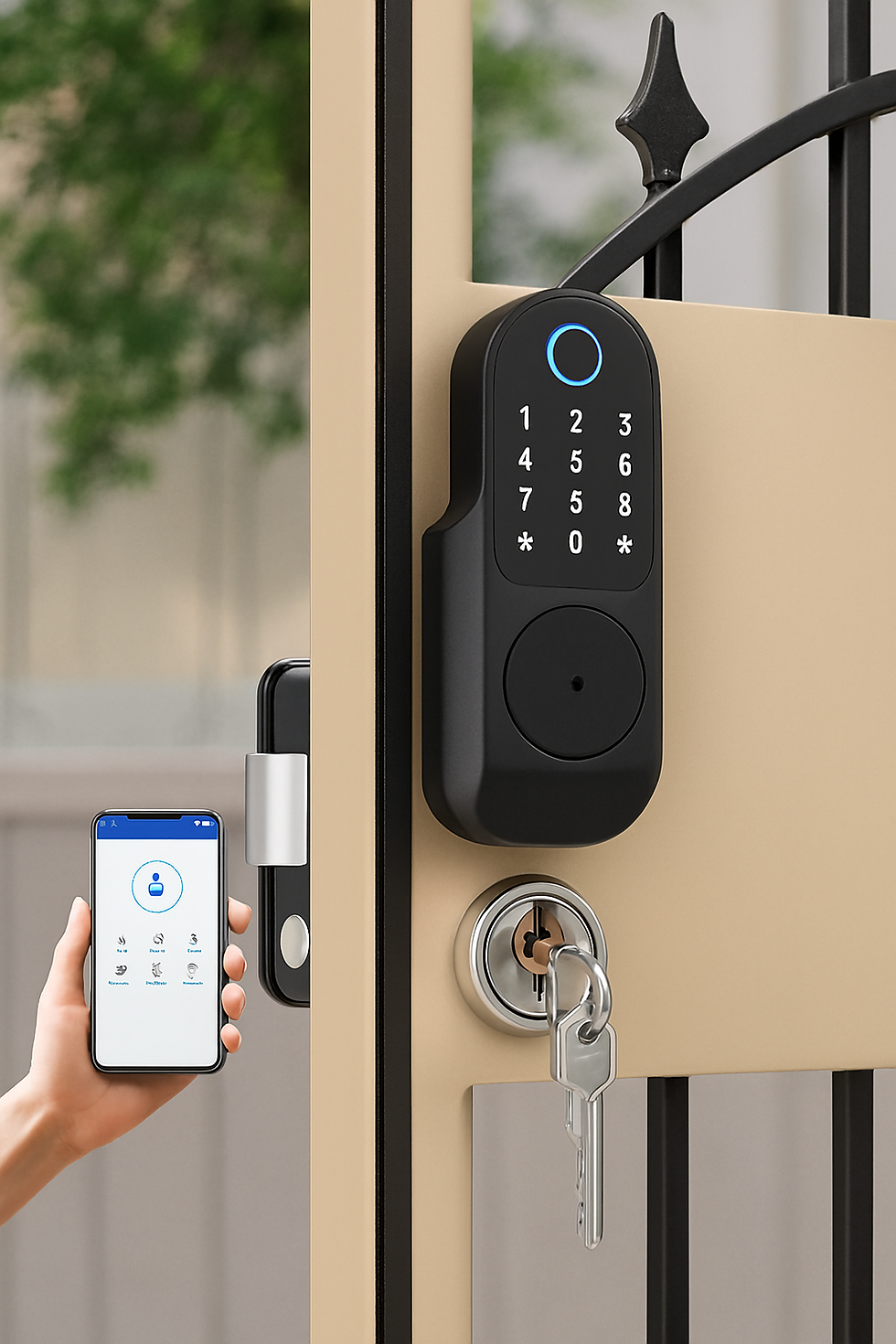
Smart automation takes safety to the next level. With mobile app control, you can monitor and operate your gate remotely, receive real-time alerts, and ensure your property remains secure even when you’re not home. This is ideal for busy Melbourne homeowners who are constantly on the go.
Safety Considerations for Different Gate Types
Not all gates are created equal, and each type comes with its own safety considerations. Choosing the right gate style for your property is just as important as selecting the right features.
Sliding gates are often considered the safest option for tighter spaces. They move horizontally along a track, eliminating the risk of swinging into people or vehicles. This makes them ideal for properties with limited driveway space.
Swing gates, on the other hand, require more clearance. They open inward or outward like a traditional door, which means careful sensor placement is essential to avoid collisions. These gates are better suited to properties with larger driveways.
Bi-fold and telescopic gates offer a more compact solution for restricted spaces, but are mechanically more complex. As a result, they require advanced safety systems, including multiple sensors and precise calibration.
Melbourne’s diverse property layouts also influence gate selection:
Inner suburbs (e.g., Richmond, Carlton): Narrow driveways favour sliding or bi-fold gates
Eastern suburbs (e.g., Doncaster, Glen Iris): Larger blocks allow for swing gates with wider openings
Ultimately, the best solution is one that aligns with your property’s layout while incorporating the necessary safety features for reliable operation.
Common Safety Mistakes Homeowners Should Avoid
Even with the best intentions, homeowners can make mistakes that compromise the safety of their automatic gate system. Being aware of these pitfalls can help you avoid costly and potentially dangerous outcomes.
Skipping professional installation. DIY or budget installations often overlook critical safety requirements. Without proper expertise, important features such as sensor alignment or force calibration may be misconfigured, increasing the risk of accidents and non-compliance.
Not upgrading older gate systems. Older gates may lack modern safety features such as auto-reverse or smart monitoring. Continuing to use outdated systems can put your household at unnecessary risk compared to current safety standards.
Poor sensor placement. Incorrectly positioned sensors can create blind spots, reducing their effectiveness. This means obstacles may go undetected, defeating the purpose of having safety systems in place.
Ignoring maintenance. Like any mechanical system, automatic gates require regular maintenance. Faulty sensors, worn motors, or damaged components can compromise safety if left unchecked. Routine servicing ensures everything operates as intended.
Choosing price over safety features. Cutting costs might seem appealing initially, but it often results in the sacrifice of essential safety technologies. Investing in a quality system with proper safety features is far more cost-effective in the long run.
In Conclusion,
When it comes to installing an automatic gate in Melbourne, safety should always come first. While convenience and aesthetics are important, the true value of a gate system lies in its ability to protect your family. By incorporating essential safety features for automatic gates in Melbourne, such as obstacle-detection sensors, auto-reverse mechanisms, and smart monitoring, you can ensure your gate operates safely.
Just as importantly, working with professionals like LATITUDE Fencing & Gates ensures your system meets Australian standards and local council requirements. A well-designed automatic gate becomes a long-term investment in security, functionality, and peace of mind.
If you’re considering a new installation or upgrading an existing system, seek expert advice, explore tailored design options, and prioritise safe, compliant solutions that suit your lifestyle. Don’t hesitate to contact us now!


Comments