
Choosing a Front Fence That Complements Your Landscaping

When creating a beautiful front yard, your fence plays a major role in defining how your property looks from the street and how all elements work together. When carefully planned, front fence landscaping creates a seamless connection among your home's architecture, garden design, and outdoor living spaces. However, many homeowners choose fencing based solely on appearance or budget without considering how it interacts with existing landscaping. The result can be a fence that feels disconnected from the garden or creates maintenance challenges.
In this guide, we'll explore how to evaluate your landscape, choose suitable materials, determine the right fence height, and integrate gates effectively. By considering fencing and landscaping together from the beginning, you can create a front yard that looks balanced and welcoming.
Why Front Fence Landscaping Matters for Street Appeal
Your front fence is often one of the first features people notice when approaching your property. It frames the entire frontage and influences how visitors perceive your home.
A thoughtfully selected fence acts as an extension of your landscape design. It helps define garden boundaries, highlight planting arrangements, and create visual flow between the street and your home. When fencing materials, colours, and styles complement the surrounding landscape, the overall appearance becomes more harmonious and polished.
First impressions are particularly important for homeowners considering future resale. A cohesive front yard often creates a stronger emotional connection with prospective buyers. Even subtle improvements in presentation can contribute to a property's perceived value.
Beyond aesthetics, fencing can also support practical landscaping objectives. Open-style fencing allows feature gardens to remain visible from the street, while privacy fencing can create sheltered outdoor spaces and protect planting schemes.

Assessing Your Existing Landscape Before Choosing a Fence
Before selecting fencing materials or styles, take time to evaluate your existing landscape. Understanding your property's characteristics will help guide more informed decisions.
Garden Style: Consider whether your landscape follows a formal, contemporary, cottage, coastal, or native Australian theme. Different fencing styles naturally complement different garden aesthetics.
Existing Trees and Shrubs: Mature plantings influence fence placement, visibility, and maintenance requirements. Large trees may affect fence foundations, while dense shrubs can soften fence lines.
Hardscaping Features: Examine pathways, retaining walls, garden edging, paving, and outdoor structures. Fencing should connect with these elements rather than compete against them.
Property Architecture: Your home's design should influence fence selection. Modern homes often suit aluminium designs, while heritage or traditional homes may benefit from timber or decorative fencing.
Terrain and Slopes: Sloping blocks require special consideration. Fence styles and installation methods may need to be adjusted to maintain both functionality and appearance.
Sunlight and Visibility: Consider how the fence may affect sunlight reaching garden beds and whether key landscape features should remain visible from the street.
Matching Fence Materials to Different Landscaping Styles
The materials you choose will largely determine how your fence integrates with the surrounding landscape.
Timber Fences for Natural Garden Settings
Timber remains one of the most versatile fencing materials available and works exceptionally well with natural garden environments.
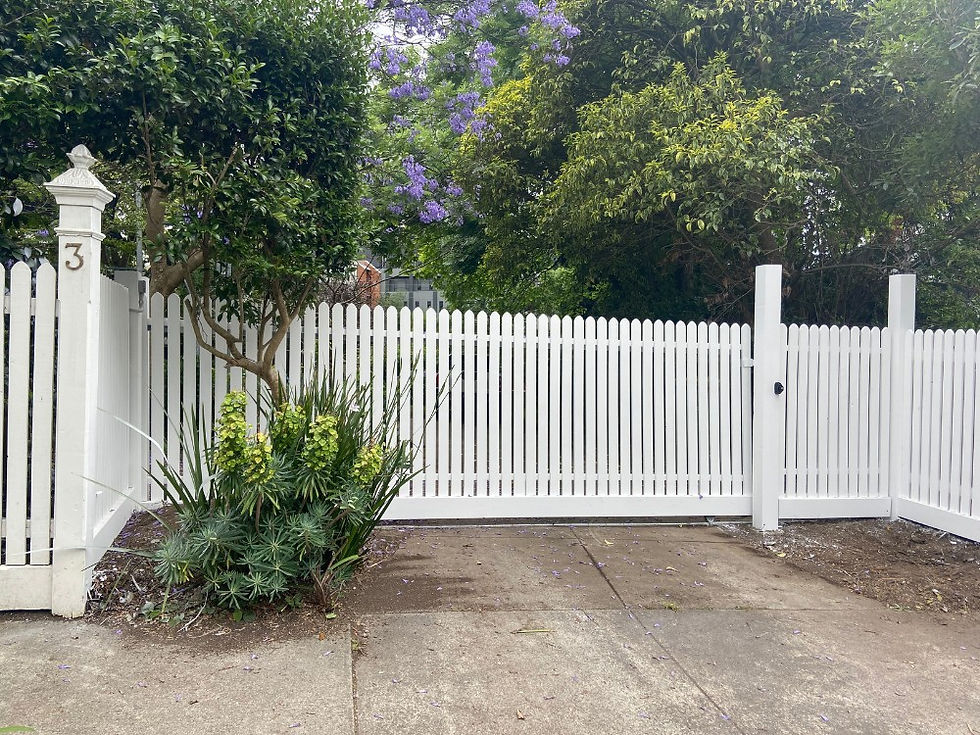
Timber picket fences are particularly suited to cottage gardens and traditional homes. Their classic appearance creates a welcoming streetscape while allowing planting displays to remain visible.
Timber batten fences offer a more contemporary appearance while retaining the warmth and character associated with natural timber. They work well alongside native gardens and modern landscape designs.
Timber slat fencing provides clean lines and flexibility in privacy levels. Depending on spacing, it can create either an open or semi-private boundary that complements many architectural styles.
Each timber species, like Merbau, Cypress, Blackbutt, Silvertop Ash, and Treated Pine, offers unique colours, grain patterns, and durability characteristics that can enhance different landscape themes.

Aluminium Fences for Modern Landscapes
Aluminium fencing has become increasingly popular due to its contemporary appearance and low maintenance requirements.
Horizontal slatted designs create strong visual lines that suit modern architecture and minimalist gardens. They provide a clean and sophisticated appearance while offering varying levels of privacy.
Vertical batten fencing introduces architectural interest and often complements contemporary planting schemes featuring structured greenery and feature specimens.
Hampton-inspired aluminium fencing combines timeless elegance with modern durability. It works particularly well with manicured gardens, symmetrical planting, and coastal-inspired designs.
Because aluminium resists rust, warping, and insect damage, it offers long-term value with minimal upkeep.

PVC Fencing for Structured Gardens
PVC fencing provides a neat, uniform appearance that suits highly organised landscapes and family homes.
Full privacy PVC fences create secluded outdoor spaces and help establish strong visual boundaries. They work well in gardens designed around outdoor entertaining and private relaxation.
Semi-privacy styles allow airflow while maintaining some visibility, offering a balanced solution for many suburban properties.
Hampton-style PVC fencing remains especially popular for homes featuring formal landscaping, clipped hedges, and structured garden layouts.
Additionally, PVC requires very little maintenance compared to timber, making it attractive for busy homeowners.

Wrought Iron and Steel Tubular Fencing
For formal gardens and premium properties, wrought iron and steel tubular fencing offer timeless elegance.
These styles preserve sightlines, allowing landscaping features to remain highly visible from the street. This is particularly beneficial when showcasing mature trees, feature gardens, or architectural planting arrangements.
Steel tubular fencing provides durability and security while maintaining openness. It suits both traditional and contemporary landscapes, depending on the chosen design.
Wrought iron fencing delivers a sophisticated appearance that enhances the look of luxury homes and formal landscapes. Decorative detailing can become a focal point while complementing carefully designed gardens.

Choosing the Right Fence Height and Openness
Fence height plays a significant role in how landscaping is perceived. The right balance between openness and privacy can dramatically affect the visual impact of your front yard.
Landscaping Goal | Recommended Fence Style |
Showcase gardens | Open picket fencing |
Increase privacy | PVC or slat fencing |
Highlight feature plants | Decorative aluminium fencing |
Maintain street visibility | Steel tubular fencing |
Create grand entrance | Wrought iron fencing |
A fence that is too high may hide attractive landscaping and make the front yard feel enclosed. Conversely, a fence that is too low may fail to provide the desired privacy or security.
Open fencing styles allow gardens to become part of the streetscape and are particularly effective when homeowners have invested in extensive landscaping. More solid fencing styles help create private outdoor environments but should be carefully designed to avoid overpowering planting features.
The key is ensuring the fence complements the scale of both the property and the landscape while achieving your practical goals.
Popular Front Yard Fence Ideas for Different Home Styles
Different home styles benefit from different fencing approaches.
Modern Homes
Modern architecture often pairs beautifully with aluminium slat fencing. Clean lines, minimalist detailing, and neutral colours create a sophisticated appearance that integrates seamlessly with structured landscaping and contemporary outdoor spaces.
Traditional Homes
Traditional homes frequently suit timber picket fencing combined with colourful cottage-style gardens. The timeless charm of timber complements heritage features while creating a welcoming frontage. These combinations remain among the most enduring front yard fence ideas for Australian homes.
Hampton-Style Homes
White Hampton-style PVC fencing remains a favourite choice for Hampton-inspired properties. When combined with symmetrical planting schemes, clipped hedges, and layered garden beds, it creates an elegant and refined streetscape.
Contemporary Luxury Homes
Luxury properties often incorporate custom aluminium or wrought iron fencing paired with statement landscaping, architectural lighting, and premium materials.
These designs focus on creating a memorable arrival experience while enhancing security and privacy.
Integrating Gates into Your Landscape Design
A gate should never feel like an afterthought. Instead, it should act as a natural extension of both the fence and the surrounding landscape.
Pedestrian gates often serve as focal points, directing visitors toward entry paths and creating a welcoming transition into the property. Matching gate materials with fencing materials helps maintain visual consistency and reinforces the overall design theme.
Automatic driveway gates can significantly elevate street appeal while providing enhanced convenience and security. When integrated correctly, they create a premium appearance that complements modern landscaping.
Key gate options include:
Sliding gates for properties with limited frontage space.
Swing gates for traditional and premium residential designs.
Pedestrian gates that create attractive entry points and improve accessibility.
Landscaping around gate entrances can further enhance visual impact. Feature planting, lighting, paving, and architectural elements can all help create a stronger sense of arrival.
At LATITUDE Fencing & Gates, we offer custom sliding gates, swing gates, pedestrian gates, and smart automation systems, designed to complement residential and commercial properties.
Common Front Fence Landscaping Mistakes to Avoid
Many residential fencing projects fall short because landscaping considerations are overlooked during planning.
Common mistakes include:
Choosing a fence before developing a landscape plan.
Mixing materials and colours that clash with existing garden features.
Blocking attractive views or mature landscape elements.
Ignoring ongoing maintenance requirements.
Selecting fence heights that overwhelm the front yard.
Planting too densely along fence lines, creating maintenance issues.
Failing to consider long-term plant growth and root systems.
Prioritising trends over compatibility with the property's architecture.
Why Professional Fence Design Creates Better Landscaping Results
Successful fencing projects require more than simply choosing attractive materials. Professional design ensures that the fence complements the landscape, meets practical requirements, and enhances the property's overall presentation.
Experienced fencing specialists can recommend suitable materials, optimise fence placement, and balance privacy, security, and aesthetics. They can also identify site-specific challenges before construction begins.
At LATITUDE Fencing & Gates, our process begins with an obligation-free consultation. We then develop a customised design, provide a detailed quote, complete professional installation, and offer after-completion support for workmanship-related concerns. This end-to-end approach helps homeowners achieve fencing solutions that work harmoniously with their landscaping goals.

Frequently Asked Questions
What is the best fence for front fence landscaping?
The best fence depends on your property's architecture, garden style, and privacy requirements. Timber, aluminium, PVC, steel, and wrought iron can all perform well when selected to suit the landscape design.
Should my front fence match my garden style?
Yes. Aligning fencing materials, colours, and design features with your garden style creates a more cohesive and attractive overall appearance.
What fence height works best for front gardens?
The ideal height varies depending on visibility and privacy needs. Generally, front fences should provide definition without dominating the landscape or obscuring key garden features.
Are timber fences suitable for landscaped front yards?
Absolutely. Timber fencing works exceptionally well with natural, cottage, native, and traditional landscapes. Various timber species and profiles provide flexibility for different design objectives.
Which fencing material requires the least maintenance?
Aluminium and PVC fencing are among the lowest-maintenance options available. They resist weathering, require minimal upkeep, and retain their appearance for many years.
In Conclusion
Successful front fence landscaping is about creating harmony among your fence, garden, and home. When all elements work together, the result is a property that feels balanced, attractive, and welcoming from the street.
By carefully considering your landscape style, selecting appropriate materials, choosing suitable fence heights, and thoughtfully integrating gates, you can significantly improve both functionality and visual appeal. Whether you prefer timber, aluminium, PVC, steel, or wrought iron fencing, the right solution should enhance your landscaping.
If you're planning a new front fence or upgrading an existing one, contact LATITUDE Fencing & Gates today. Our experienced team can help design, manufacture, and install a customised fencing solution that complements your landscape and adds long-term value to your property.


Comments