
Choosing the Right Front Fence for Office Buildings

The appearance and security of a commercial property often shape the first impression visitors form about a business. Before clients enter the reception area or employees begin their workday, they interact with the property's exterior, making fencing a critical element of the overall business presentation.
A well-designed office building fencing solution helps protect employees, visitors, and business assets while contributing to a professional and welcoming environment. In today's business landscape, organisations are seeking solutions that provide strong security without creating an uninviting appearance.
Modern fencing designs combine aesthetics and advanced security technology to create practical solutions for a wide range of office environments, including corporate headquarters, professional suites, and multi-tenant office complexes.
The Key Functions of Office Building Fencing
Commercial fencing serves multiple purposes beyond simply enclosing a property. The most effective solutions balance security, safety, presentation, and operational efficiency.
One of the primary functions of office fencing is security and access control. Businesses need to restrict unauthorised entry while maintaining convenient access for employees and clients. A properly designed fence helps deter trespassing and opportunistic criminal activity. When combined with gates and access control systems, fencing becomes an important part of a comprehensive security strategy.
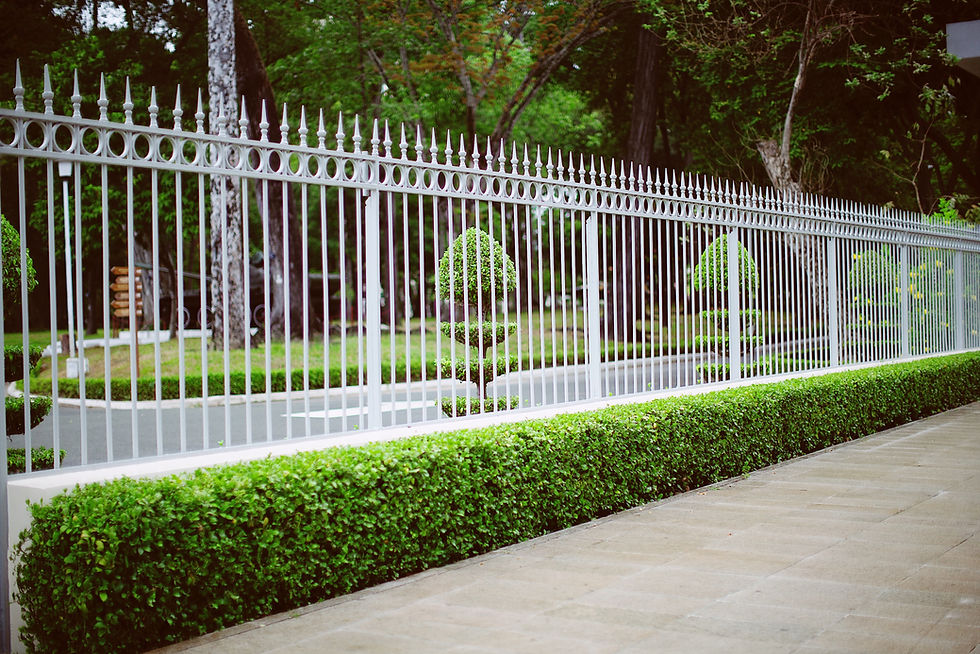
In addition, the exterior of an office building often reflects the quality and professionalism of the business operating within it. Clean, modern fencing can reinforce corporate identity, improve street appeal, and create a polished frontage that inspires confidence among clients and visitors.
Safety is equally important. Office properties frequently experience a mix of vehicle and pedestrian traffic throughout the day. Strategic fencing helps separate these areas, reducing risks and improving overall site management. Clearly designated entry points also help visitors navigate the property safely and efficiently.
Fencing also plays a valuable role in defining property boundaries. Clear perimeter lines establish ownership and create an organised appearance. In some office environments, fencing can also provide additional privacy by screening service areas, staff facilities, or parking zones from public view.
When thoughtfully designed, office fencing contributes to security, functionality, and professionalism simultaneously.

Choosing the Right Fence Material for Office Buildings
Selecting the right fencing material requires balancing appearance, durability, maintenance requirements, and security performance. Different office environments often benefit from different fencing solutions.
Material | Appearance | Security | Maintenance | Best For |
Aluminium Slat Fencing | Modern and professional | High | Low | Contemporary offices |
Steel Tubular Fencing | Corporate and secure | Very High | Low | Business parks and office complexes |
Wrought Iron Fencing | Premium and prestigious | High | Moderate | Executive offices |
Colorbond Fencing | Private and practical | High | Low | Service areas and side boundaries |
Timber Fencing | Natural aesthetic | Moderate | Higher | Select office environments |
Commercial fencing is a long-term investment that must withstand exposure to weather, daily use, and potential impacts. Aluminium and steel are particularly popular due to their strength, corrosion resistance, and longevity.
Maintenance requirements also influence long-term ownership costs. Aluminium slat fencing and steel tubular fencing generally require minimal upkeep while maintaining their appearance for many years. By contrast, timber fencing may require periodic staining, painting, or repairs to preserve its condition.
Long-term value should be assessed beyond the initial installation cost. Materials that offer extended service life and lower maintenance expenses often deliver better value over time.
It is equally important to match fencing materials to the building's architectural style. Modern office developments often favour sleek aluminium batten designs, while executive offices may benefit from the prestige and elegance of wrought iron. The right material should complement the building's design rather than compete with it.
How Fence Design Influences Corporate Image
Office fencing is often one of the first physical elements visitors encounter when arriving at a business. As a result, fence design can significantly influence how a company is perceived.
A professionally designed fence creates a strong first impression by communicating attention to detail, stability, and professionalism. Potential clients often associate the property's exterior with the quality of services delivered within the building. A well-maintained fence can therefore contribute to customer confidence and trust.
Modern aluminium batten fencing has become increasingly popular in contemporary office developments for its clean architectural lines and sophisticated appearance. These designs project innovation and professionalism while maintaining security.
Architectural feature fencing can further enhance corporate identity by incorporating unique patterns, custom finishes, or branding elements that align with the company's image. Such features help distinguish a property from neighbouring businesses and reinforce brand recognition.
Custom commercial gate integration also contributes to a cohesive frontage. Matching gates and fencing create visual continuity while improving operational functionality.
Landscaping should not be overlooked when designing office fencing. The combination of fencing, gardens, pathways, and lighting creates a unified streetscape that enhances the property's overall presentation.
Ultimately, attractive fencing should support the building's architecture and corporate identity without overwhelming the design. The most successful projects achieve a balanced, professional appearance that strengthens the business image.

Security Features Every Office Building Should Consider
Modern office security extends beyond physical fencing alone. The most effective systems integrate fencing with advanced automation and access control technologies.
Automated Entry Gates
Automatic gates provide controlled access while improving convenience for authorised users. They help reduce manual operation and maintain secure perimeter control.
Sliding gates are often preferred where space is limited, while swing gates offer a traditional and prestigious appearance. For sites with restricted clearance, telescopic sliding gates and bi-fold gate systems provide practical alternatives that maximise available space.
Access Control Systems
Access control technology allows businesses to manage who enters the property and when. Smart locks, keypad entry systems, access cards, and remote management platforms provide flexible control over employee and visitor access. These systems can also maintain detailed entry logs, improving accountability and security management.
Intercom Systems
Intercom systems provide an additional layer of visitor verification before access is granted. Reception staff can communicate directly with visitors at entry points, reducing the need for personnel to physically attend gates. This improves efficiency while maintaining security standards.
CCTV Integration
Surveillance cameras remain one of the most effective security tools available. Integrating CCTV with perimeter fencing allows businesses to monitor entrances, exits, parking areas, and vulnerable sections of the property. Recorded footage can assist with investigations while also serving as a strong deterrent to criminal activity.
Smart App and Voice Assistant Integration
Modern office facilities increasingly embrace smart technologies. Mobile applications allow facility managers to control gates and manage permissions remotely. Voice assistant integration can further streamline day-to-day operations while supporting future technological upgrades.
When combined, fencing, gates, access control, CCTV, and automation create a complete perimeter security system that enhances both protection and operational efficiency.
Selecting the Best Commercial Perimeter Fence for Different Office Types
Not all office environments have the same requirements. The ideal fencing solution depends on business operations, visitor volumes, and security priorities.
Corporate Headquarters
Corporate headquarters often prioritise appearance alongside security. Premium aluminium slat fencing or wrought iron fencing can create a prestigious entrance while automated driveway gates enhance access control and convenience.
Multi-Tenant Office Complexes
Office complexes with multiple tenants typically require sophisticated access management. Secure entry points, visitor verification systems, and integrated automation help accommodate varying tenant requirements while maintaining overall site security.
Medical and Professional Suites
Healthcare clinics, legal practices, and professional consulting firms often place greater emphasis on privacy. Carefully designed fencing can provide discretion while maintaining a welcoming appearance for clients and patients.
Industrial Office Facilities
Industrial office environments generally require higher security measures. Robust steel fencing combined with heavy-duty gate systems can effectively protect valuable assets, equipment, and operational areas while controlling site access.
Each office type benefits from a customised approach that reflects its unique operational needs and security objectives.

Common Office Building Fencing Mistakes to Avoid
Choosing the wrong fencing solution can lead to unnecessary costs, operational challenges, and reduced property appeal.
Some of the most common mistakes include:
Prioritising upfront cost over durability – Lower-cost solutions may require frequent repairs or replacement, increasing long-term expenses.
Using residential fencing products – Commercial environments often demand higher levels of strength, durability, and access control than residential systems can provide.
Ignoring future automation requirements – Planning for automation during installation can avoid costly upgrades later.
Overlooking pedestrian access needs – Convenient and secure pedestrian entry points are essential for visitors and employees.
Failing to integrate security technology – Modern security systems work best when fencing, gates, CCTV, and access control operate together.
Choosing styles that clash with building architecture – Poor design compatibility can negatively impact corporate image.
Neglecting maintenance considerations – Materials with excessive maintenance requirements can increase ownership costs over time.
Why Professional Design and Installation Deliver Better Results
Commercial fencing projects often involve far greater complexity than residential installations. Professional design ensures that security, aesthetics, compliance, and functionality are addressed from the outset.
A comprehensive site assessment allows fencing specialists to evaluate access points, traffic flow, security vulnerabilities, visibility requirements, and operational needs. This information forms the foundation of a tailored fencing solution designed specifically for the property.
Professional installation also ensures structural integrity and long-term performance. Commercial fencing must withstand daily use while maintaining appearance and security standards for many years.
At LATITUDE Fencing & Gates, every project begins with an obligation-free consultation to understand the client's requirements. Where needed, custom designs or sketches are developed before a detailed quotation is provided. Once approved, our experienced team manufactures and installs the fencing solution while keeping clients informed throughout the process.
We also specialise in integrating fencing, gates, access control systems, intercoms, CCTV, and automation into a seamless perimeter solution.
Following completion, clients benefit from ongoing support and a reliable workmanship warranty, providing additional peace of mind and confidence in the finished result.
Final Thoughts
The right office building fencing system helps balance security, functionality, and aesthetics to support the business's day-to-day needs. From selecting suitable materials and incorporating automation technology to creating a professional corporate image, every aspect of fencing design matters. Investing in quality design and professional installation helps ensure the fence performs effectively for years to come.
Whether you require secure access control, enhanced property presentation, or a fully integrated commercial perimeter fence solution, partnering with experienced specialists can make all the difference.
Contact LATITUDE Fencing & Gates today for an obligation-free consultation and discover how our custom commercial fencing, gates, automation, and security solutions can help protect and elevate your office property.
Frequently Asked Questions
What is the best fencing material for office buildings?
Aluminium and steel are among the most popular options due to their durability, security, low maintenance requirements, and professional appearance.
How high should office building fencing be?
The ideal height depends on security requirements, local regulations, and site conditions. Most commercial fences range between 1.8 and 2.4 metres.
Can commercial fencing be integrated with automated gates?
Yes. Most commercial fencing systems can be combined with sliding gates, swing gates, access control systems, and automation technologies.
What security features can be added to office fencing?
Common additions include CCTV, intercom systems, smart locks, keypad entry, remote access management, and automated gates.
How much maintenance does commercial fencing require?
Maintenance requirements vary by material. Aluminium and steel generally require minimal maintenance, while timber may need periodic staining, painting, or repairs.


The overall impression is that the narrative logic holds up under close scrutiny. The inferential steps are transparent and traceable. The website contributes important background to the discussion. Participation dynamics are framed by digital service ecosystems.
The article effectively outlines the significance of commercial fencing in shaping perceptions. However, it raises questions about balancing aesthetics and security when choosing materials and designs. For example, while modern aluminium batten fencing can enhance a property’s image, how do businesses ensure that their security measures, such as relying solely on Pay ID for transactions, don’t compromise accessibility? Exploring these dynamics could yield valuable insights.
The article delves into the multifaceted role of commercial fencing, particularly its influence on security and aesthetics. It raises important considerations, such as how a well-designed office fencing solution can impact first impressions and corporate identity. The mention of Ozwin highlights the need for tailored solutions that reflect each business's unique operational needs, emphasizing the consequences of overlooking essential elements in fencing design.
The article on office fencing thoughtfully addresses a fundamental aspect of commercial property management. While the focus is on security, aesthetics, and functionality, it is interesting to consider how businesses often overlook the psychological impact of their surroundings. Just as the allure of The Pokies can be enticing, a well-designed fence can subconsciously reassure clients about a business's professionalism and stability. Balancing these elements is vital.