
Front Fence Installation Timeline: What Melbourne Homeowners Should Expect

Key Takeaways
A front fence project involves more than the installation days on site. The full timeline also includes consultation, design, quoting, material ordering, fabrication and final commissioning.
Custom fences and driveway gates generally require more preparation than standard fencing because they may involve measuring, fabrication, welding, finishing and powder coating.
Site conditions can significantly affect the timeline, including sloping ground, difficult soil, existing concrete, drainage issues, masonry and old fence removal.
Homeowners should finalise fence height, materials, colours, gate locations and automation requirements before fabrication begins to avoid unnecessary delays or rework.
Automated gates should be planned together with the fence from the beginning, including motor placement, power supply, cable routes, photocells, intercoms and smart access systems.
When comparing quotes, look beyond price and check the estimated manufacturing lead time, installation duration, demolition, fabrication, automation responsibilities and warranty coverage.
Ask your contractor for the overall project timeline, not simply how many days the installers will be physically working at your property.
When planning a new front fence, homeowners naturally spend plenty of time thinking about materials, colours, privacy, gate styles and overall cost. One factor that is often considered much later is how long the entire project will actually take.
There is no single timeframe that applies to every front fence installation Melbourne project. A straightforward fence on a level site may progress quickly, while a custom frontage incorporating fabricated gates or challenging ground conditions will require additional work.
It is also important to separate the overall project timeline into three parts: planning and preparation, material or manufacturing lead times, and the actual construction period on site. Understanding each stage gives you a much more realistic idea of when your new fence will be completed.

Front Fence Installation Melbourne: The Main Stages of a Typical Project
There are several stages between the first enquiry and the completed fence, particularly when custom fencing and automated gates are involved.
Initial Consultation and Site Assessment
The process generally begins with a discussion about what you want your new fence to achieve, including privacy, security, street appeal, vehicle access and pedestrian access.
A site assessment allows the fencing contractor to examine the frontage, take measurements and identify important site conditions, such as ground levels, driveway width, existing structures, drainage, retaining walls and available space for gates.
For properties with an automated driveway gate, there may also be questions about the gate opening direction, motor position, electrical supply and access-control requirements.
Design and Quotation
Once the site and requirements are understood, the contractor can develop the appropriate fencing solution and prepare a quotation.
A standard fence may require minimal design development. Meanwhile, a custom aluminium frontage, unusual boundary shape or integrated driveway gate may require drawings or sketches before fabrication begins.
This stage is also when you should confirm fence height, materials, colours, gate types, finishes and automation features. Taking the time to finalise these details now can prevent expensive changes later.
Quote Approval and Scheduling
Once you approve the quotation and agreed scope, the contractor can schedule the project and begin arranging materials or fabrication.However, an approved quote does not necessarily mean construction will begin immediately. Custom components may still need to be manufactured, powder coated or ordered.
Importantly, when accepting your quote, ask for an indication of both the expected commencement period and the overall project schedule.

Material Ordering and Fabrication
Standard fencing products may be available, while custom fencing and gates often need to be manufactured specifically for the property.
Custom aluminium or steel gates, for example, may involve measuring, cutting, welding, finishing and powder coating. Automation brackets and mounting provisions may also need to be incorporated into the gate design.
This manufacturing stage can represent a significant portion of the overall timeline even though no physical work is yet taking place at your property.
Site Preparation and Installation
Once everything is ready, installation can begin. Depending on the scope, the first stage may involve removing the old fence and clearing the boundary. Posts and footings can then be prepared before fencing panels, pedestrian gates and driveway gates are installed.
The amount of on-site work depends on the length of the frontage, fence construction, access and ground conditions.
Automation and Final Commissioning
If your project includes an automatic driveway gate, installation does not end when the physical gate is hung or placed on its track. The motor, photocells, safety equipment and access devices need to be installed, adjusted and tested. Intercoms, keypads, CCTV or smartphone controls may also require setup and commissioning.
For this reason, always ask your contractor about the expected overall project timeline, rather than only asking how many days the installation team will be at your home.

What Happens Before Installation Day?
A large amount of the work that determines whether a fencing project runs smoothly happens well before construction starts.
Accurate measurements are particularly important. Your contractor needs to understand the boundary dimensions, driveway opening and pedestrian access while also identifying slopes or changes in ground level. Existing brickwork, walls, posts, concrete and landscaping may influence how the new fence can be installed.
Before manufacturing starts, several design details will generally need to be confirmed, including:
Fence material and profile
Overall fence height and privacy level
Driveway and pedestrian gate locations
Gate opening direction and available clearance
Colour and surface finish
Existing structures that will remain
Drainage considerations
Automation and electrical requirements
At LATITUDE Fencing & Gates, our process begins with an obligation-free consultation so we can understand the property and the customer's requirements. Where required, we can then develop a design or sketch and provide a tailored construction estimate.
Ideally, major decisions should be finalised before materials are ordered or fabrication begins. Changing a gate width, fence height, colour or design after production has started may require new materials or reworking finished components.
Moreover, projects incorporating fencing, gates and automation also benefit from being planned as one complete system. Power supplies, motor locations and cable routes can then be considered before construction rather than added after the fence is finished.
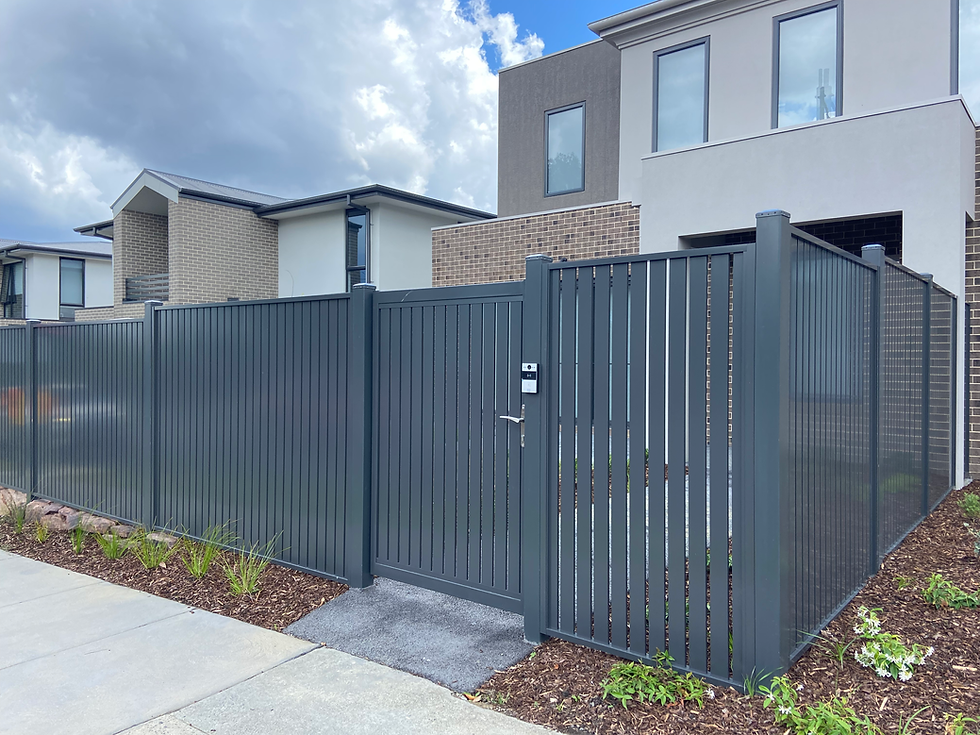
How Fence Material and Design Affect Lead Times
Your choice of fencing material influences much more than the appearance of your property. It can also affect how much preparation, manufacturing and on-site work is required.
LATITUDE works with a broad range of fencing systems, including timber, aluminium, steel, PVC, Colorbond, wrought iron, ModularWalls and projects incorporating brick or masonry features. Each comes with different production requirements.
Timber fencing can include Merbau, Cypress, Blackbutt, Silvertop Ash and Treated Pine in picket, batten or slat configurations.
Aluminium fencing may feature horizontal or vertical slats, vertical battens, Hampton designs or traditional picket profiles.
Steel tubular fencing can be customised with different picket sizes, spacing, rails and post configurations.
PVC fencing is available in full-privacy, semi-privacy and Hampton-style designs.
Colorbond fencing provides a practical solution using standard or MiniOrb-style sheets.
Wrought iron and custom metalwork may require more detailed fabrication.
ModularWalls and masonry elements can introduce additional construction processes.
A standard fence assembled from available components will generally involve fewer manufacturing stages than a custom fabricated frontage.
Meanwhile, custom work may involve cutting material to size, welding frames, fabricating specialised posts, preparing surfaces and powder coating. Gates require accurate fabrication because small dimensional errors can affect clearance, alignment and automation performance.
The complexity of the design therefore matters just as much as the material itself. A simple aluminium fence and a custom vertical-batten frontage may use similar materials while requiring very different amounts of fabrication.
In short, rather than relying on a generic lead-time estimate, ask your fencing contractor what manufacturing or material lead times apply specifically to the design being quoted.
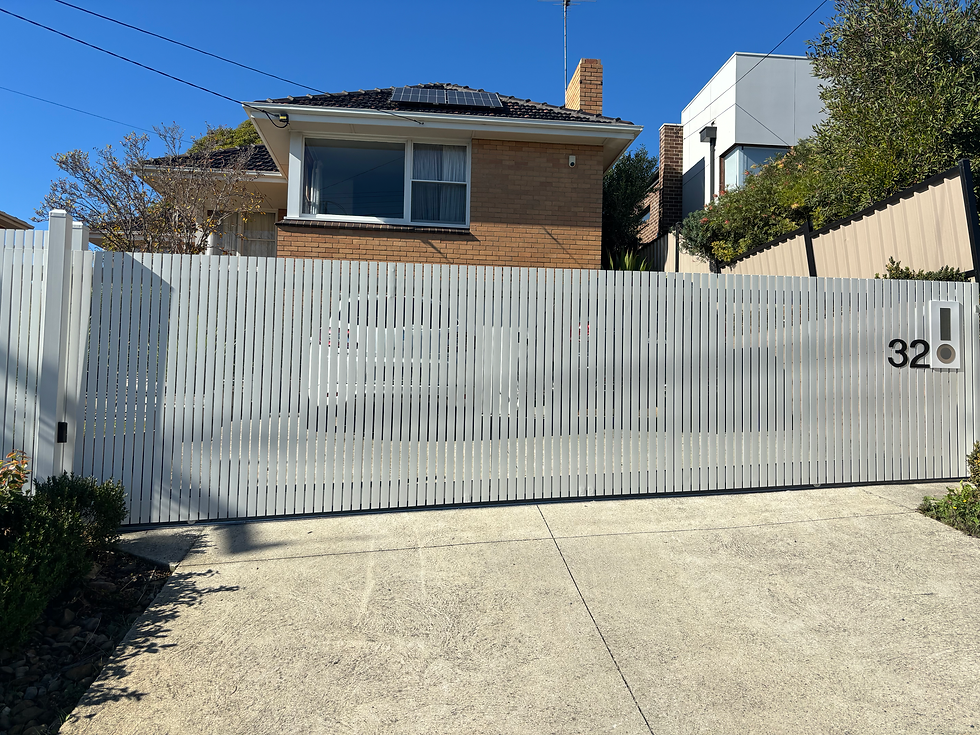
What Can Extend a Front Fence Installation Timeline?
There might be some site conditions or design requirements that add extra time. A thorough assessment before quoting should identify these factors and allow them to be incorporated into the project plan.
Some of the most common considerations include:
Sloping or uneven blocks: A fence on a sloping block may require stepped panels, raked sections or custom-sized components. Extra measurements and fabrication can be necessary to achieve a clean result.
Difficult ground conditions: Soil conditions, existing concrete, buried footings and underground obstructions can affect excavation and new footing construction.
Existing fence removal: An old fence may need to be demolished and removed before work on the replacement can begin. Heavy masonry or concrete foundations can require considerably more preparation than lightweight fencing.
Brick piers and masonry: Masonry introduces separate construction stages and may require appropriate curing before other components are fitted.
Custom driveway gates: Sliding, swing, telescopic and bi-fold gates require accurate manufacturing and careful alignment to operate correctly.
Gate automation: Motors, photocells, keypads, intercoms, smart locks, CCTV and app-based access add another installation and commissioning stage.
Electrical preparation: Power and communication cabling may need to be installed before completed landscaping, paving or driveway works make access difficult.
Weather: Heavy rain can make excavation, footing work and some construction activities impractical.
Late design changes: Altering a colour, gate dimension or fence style after fabrication begins can result in new materials being required.
For a front fence installation Melbourne homeowners should therefore consider site complexity as well as the physical size of the fence when discussing timelines with contractors.

How to Compare Fence Quotes Based on Timeline, Not Just Price
Price is naturally an important part of choosing a fencing contractor, but the cheapest quotation does not necessarily offer the simplest or fastest project.
Two quotes with similar totals may include very different scopes. One contractor may provide an integrated service covering demolition, fabrication, fencing, gates and automation, while another quotation may leave several stages for the homeowner to organise separately.
Before accepting a quote, check whether it clearly addresses:
Fence and gate specifications
Materials, colours and finishes
Existing fence removal and disposal
Excavation and footing work
Custom fabrication
Driveway and pedestrian gates
Gate automation equipment
Electrical and access-control responsibilities
Estimated manufacturing lead time
Expected on-site construction period
Site cleanup
Warranty coverage and after-completion support
You should also distinguish between the estimated project start date and the number of days installers expect to spend on site.
One useful question to ask is:
“Once I approve the quote, what needs to happen before installation can begin?”
The answer can tell you a great deal about how thoroughly the project has been planned. A contractor should be able to explain whether materials need ordering, gates need manufacturing, powder coating needs completing or other trades need coordinating before installation.
LATITUDE keeps customers updated throughout construction so they have a clearer understanding of the progress of their project and any important next steps.
Planning Ahead for a Smoother Front Fence Installation
Homeowners can also help reduce avoidable delays by making key decisions early. Before fabrication begins, aim to confirm your preferred fencing material, height, privacy level, colour and finish. Gate locations and opening types should also be settled, along with any integrated letterbox or intercom features.
For automated driveway gates, think beyond the motor itself. You may want to incorporate intercom access, smart CCTV, smart locks, voice assistant integration, or smartphone app control.
Planning these elements alongside the physical fence makes it easier to determine where cables, conduits, motors and control devices should be positioned.
It is also worth telling your contractor about other work planned around the front of the property. For instance, a new driveway, retaining wall, landscaping project or electrical upgrade can affect when fencing should be installed. In some situations, coordinating the trades in the correct order can prevent finished surfaces from needing to be disturbed later.

Final Thoughts
The most reliable front fence installation Melbourne timeline will always come from assessing the actual property rather than applying a generic number of construction days. Fence materials, ground conditions, custom fabrication, gates, automation and other trades can all influence how a project should be scheduled.
LATITUDE Fencing & Gates provides tailored fencing and gate solutions for Melbourne properties, including custom fencing, driveway gates, pedestrian gates and smart gate automation. From the initial consultation and design through fabrication, installation and after-completion support, we can coordinate the key elements of your entrance as one integrated project.
Planning a new front fence for your Melbourne property? Contact us today for an obligation-free consultation. We can assess your site, discuss suitable fencing and gate options, and prepare a tailored quotation based on your property's requirements.
Frequently Asked Questions
How many days does it take to install a front fence?
The physical installation period depends on the fence length, material, foundations, demolition requirements, gates and site conditions. Remember that the overall project also includes consultation, design, ordering and fabrication before installers arrive.
Do custom driveway gates increase the installation timeline?
Usually, yes. Custom gates need to be measured accurately, fabricated, finished and installed before automation can be fully commissioned. More complex sliding, telescopic or bi-fold arrangements may also involve additional planning.
Can my existing front fence be removed as part of the project?
Yes, provided demolition and disposal are included in the agreed scope. Confirm this when comparing quotations so you know whether removal is being handled by the fencing contractor.
When should gate automation be planned?
Ideally, automation should be considered during the original fence and gate design stage. This allows motor positioning, power supplies, cable routes, safety devices and access-control equipment to be incorporated properly.
What should I ask a Melbourne fencing contractor before accepting a quote?
Ask about the complete project scope, materials, fabrication requirements, expected lead times, proposed installation schedule, potential site complications, warranty and post-completion support. A detailed answer will give you a much clearer picture than simply asking for an installation date.


Comments